November 16, 2026
How to Prepare Household Donations for Fayetteville Nonprofits
By @thegoodhomeguide
Getting your home ready for a donation drop-off or pickup takes more than just bagging a few items. A little planning upfront can save you time, reduce the chance that your donation gets turned away, and help the receiving organization make the most of what you give. If you are looking to donate home furnishings in Fayetteville, the following checklist covers what to think about before you load the car.
Check Donation Eligibility First
Not every item a household no longer needs is something a nonprofit can accept. Most organizations have clear guidelines about what they can and cannot take. Common restrictions include items with missing parts, severe stains, pet damage, or safety concerns such as recalled electronics or broken glass. Before you set anything aside, visit the organization's website or call ahead to see if your items match its current needs. This small step prevents wasted effort and ensures your donation goes where it is most useful.
For furniture, the condition matters a lot. A sofa with a few minor scuffs might be fine, but one with a ripped cushion or a broken frame likely will not be accepted. The same goes for mattresses: many organizations require them to be in near-new condition with no stains or tears. If you are unsure about an item, take a photo and ask. It is better to confirm now than to haul something that will be rejected at the door.
Clean Everything Thoroughly
A donated item that looks clean is far more likely to be resold or reused quickly. Dust, cobwebs, and grime can make even good furniture look worn out. Wipe down wood surfaces with a gentle cleaner, vacuum upholstery, and wash any removable fabric covers according to their care labels. For small household goods such as kitchenware, make sure all food residue is removed and that dishes are free of cracks or chips. A clean donation signals respect for the people who will handle and use it next.
Pay special attention to items that may have been stored in a basement, attic, or garage. These spaces often collect musty smells, moisture stains, or evidence of pests. If a box has been sitting for years, open it and inspect the contents before donating. A musty odor can be hard to remove, and many organizations will decline items that smell strongly of mold or smoke.
Gather All Necessary Parts and Accessories
If you are donating a table, does it come with all its leaves and screws? A bookshelf with missing shelves is less useful to a new owner. Before you schedule a pickup or drop-off, take a moment to inventory what you have. Look for hardware such as bolts, brackets, or Allen wrenches that came with the item when it was new. Place these small parts in a sealed plastic bag and attach it to the item with a piece of tape or string. Doing so makes it easier for the organization to sell the piece complete and saves staff time spent hunting for missing pieces.
For electronics, include any cables, remote controls, and power adapters. A television without its remote may still work, but it is harder to test and less appealing to a buyer. If you no longer have the original packaging, wrap the item in bubble wrap or a blanket and label it clearly. The goal is to present the donation in a condition that allows the organization to put it on the floor quickly.
Plan Your Pickup or Drop-Off
Most nonprofits that accept furniture and large household items offer free pickup, but they often have specific requirements. Some require that items be placed on the ground floor, near the door, or in the garage. Others may ask that you have someone available to help carry heavy pieces. Check the organization's pickup policy before you schedule. If you are dropping off, confirm the hours of operation and whether you need an appointment. Arriving outside of donation hours can leave you waiting or force you to return another day.
When you load your vehicle, make sure items are secured so they do not shift during transport. A tarp or moving blanket can protect furniture from rain or road dust. If you are donating multiple small items, pack them in sturdy boxes and label each box with its contents. This helps the receiving staff sort donations quickly and reduces the chance that something gets lost.

Consider the Logistics of Large Items
Large furniture such as sofas, dining tables, and bed frames require extra thought. Measure the item and compare it to the doorways and hallways of your home. If it cannot get out of your house easily, it might not fit in the organization's warehouse either. Some nonprofits have loading docks and wide doors, but others operate in older buildings with narrower access. If you are unsure, ask about the receiving area before you commit to donating a bulky piece.
Heavy items also require physical effort. If you have limited mobility or no help available, see if the organization can send a team to assist with loading. Some offer this as part of their free pickup service. Others may require that you bring the item to the curb or driveway. Knowing what is expected avoids surprises on pickup day.
Donate Items That Are Truly Reusable
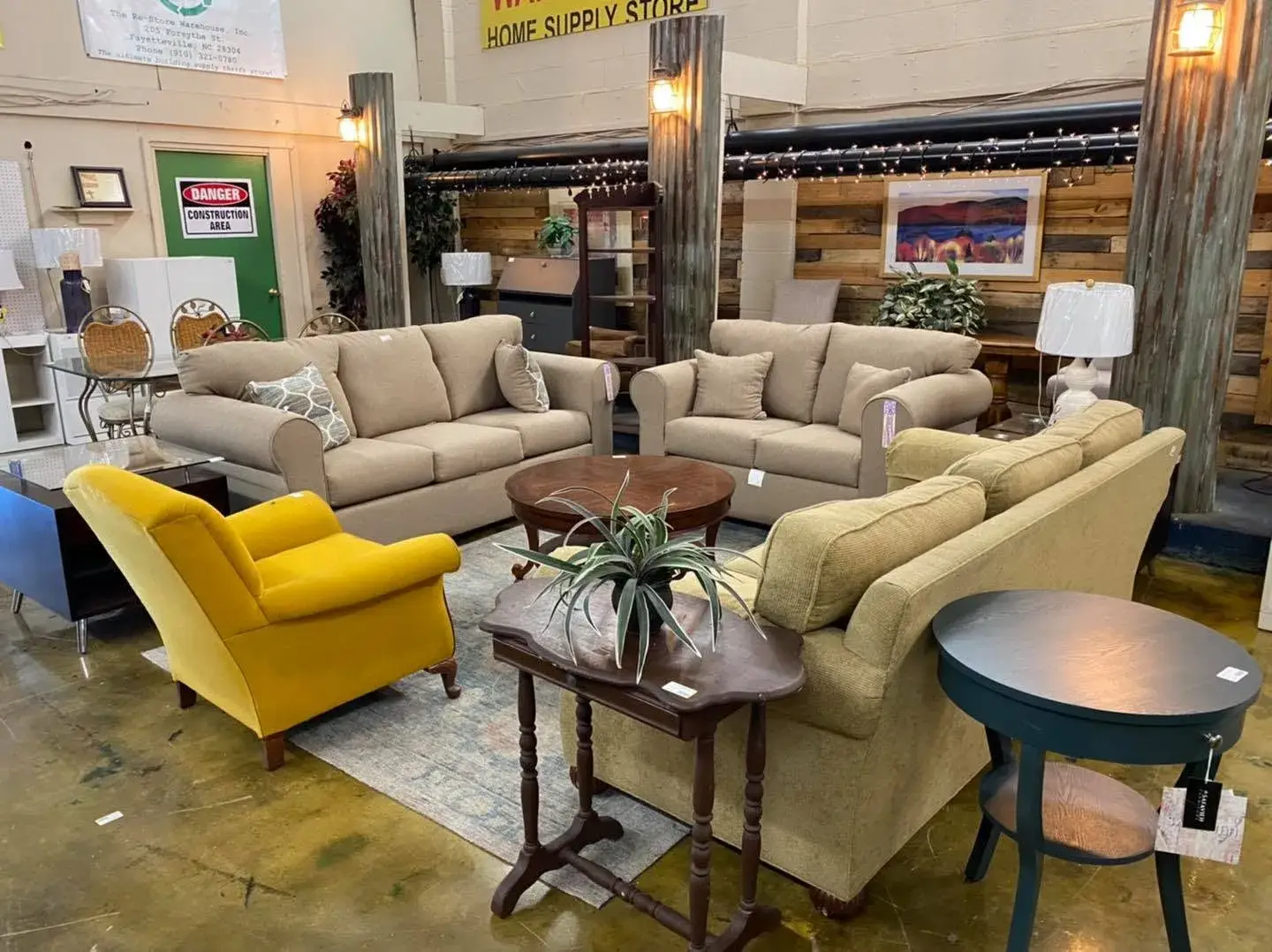
The Re-Store Warehouse in Fayetteville accepts a wide range of home furnishings and building materials, but the organization focuses on items that can be sold at affordable prices to support local charities. That means your donation should be something another household would actually want to buy. A worn-out recliner with a broken footrest, a set of mismatched dishes, or a lamp with a cracked base are unlikely to sell. Instead of donating items that are beyond repair, consider recycling them or disposing of them responsibly. Many communities have recycling centers for electronics, textiles, and scrap metal. By sending only reusable items to the nonprofit, you help keep the warehouse stocked with quality goods and reduce the workload on staff who would otherwise have to sort and discard unsuitable donations.
If you have a large quantity of items, such as a full house cleanout, call ahead to discuss what the organization can handle. Some nonprofits have limits on how much they can accept in a single visit, especially if they do not have the storage space. Arranging a drop-off schedule in advance makes the process smooth for everyone.

A Final Word on Timing
Donations tend to spike around spring cleaning season and at the end of the year. If you have flexibility, consider donating during off-peak months. The organization may have more time to inspect and price your items, and your donation might get onto the sales floor faster. That said, any time you donate is helpful. The key is to show up prepared with clean, complete, and eligible items. Your effort directly supports the community programs that the organization funds.
The Re-Store Warehouse is located at 205 Forsythe St, Fayetteville, NC 28303, USA, and can be reached at +1 910-321-0780 for questions about donation eligibility or pickup scheduling.
The Re-Store Warehouse is also on Facebook.
❧